
Insights · November 11, 2026 · By propertiesren@gmail.com
Selling Your Property in Abu Dhabi: Documents, Steps and Costs
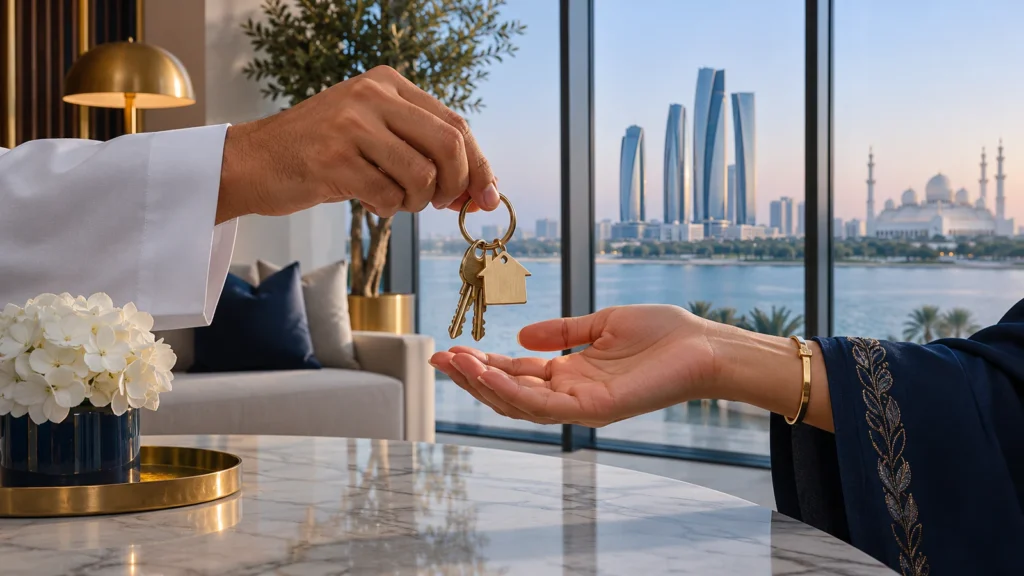
Selling a property in Abu Dhabi follows a well-defined process. Getting your paperwork ready early is the easiest way to avoid delays once you’ve found a buyer.
1. Get a realistic valuation
Price is the biggest factor in how quickly a property sells. A good valuation is based on recent transactions in your building or community — not on the highest asking prices you’ve seen online.
2. Prepare your documents
- Title deed (or your contract with the developer if you’re selling off-plan).
- Passport and Emirates ID.
- If mortgaged: a liability letter from your bank showing the outstanding balance.
- Service-charge statement, to show fees are paid up to date.
3. Listing and Madhmoun permit
Your broker requests a Madhmoun permit so the property can be advertised legally. You approve it online. Professional photos and an accurate description make a real difference to the number and quality of enquiries.
4. Offer and MOU
Once you agree a price, buyer and seller sign a memorandum of understanding (MOU) setting out the price, deposit, timeline and who pays which costs. The buyer usually pays a deposit at this stage.
5. NOC from the developer
Most developers or master developers issue a No Objection Certificate confirming there are no outstanding service charges or fees on the property. Allow time for this in your schedule.
6. Mortgage settlement (if any)
If you have a mortgage, it must be cleared before or at transfer. This is often arranged so the buyer’s funds settle your loan on the day.
7. Transfer
The transfer is registered with the authorities and the title deed is issued in the buyer’s name. The registration fee — currently 2% of the property value — is commonly paid by the buyer, but it can be negotiated in the MOU.
Thinking about selling?
Request a free valuation from REN and we’ll give you a realistic price range, a marketing plan and an honest timeline.